The quote was highlighted by Matt Damon, who noted that it was Ben Affleck who made the comment. As both wrote the screenplay for Good Will Hunting, the film’s success came from having the freedom to be creative and to entertain bad ideas — often the spin-offs from those bad ideas led to the good ones. Creative environments do require freedom of expression — and freedom to reject.
Too often, it has been argued, this freedom to express all ideas is frowned upon, discouraged, and, worse, actively critiqued.
This came to the fore in a conversation with a client earlier this week, who noted they do not possess a culture that encourages people to express ideas to progress business. It was a frustration and a concern. They were seeking ideas to create a change in culture. Their view was that they had built a model based on control rather than creativity. It had worked, but it had now created a defensive mindset. Their view — rightly or wrongly — was that too often companies like to control, and fight change rather than embrace what is needed to enhance a proposition.
It is easy to blame others. Surely the key is to have environments that do encourage risk, creativity, and ideas. I always remember one MD saying that they liked EP as it was never concerned by what failed or did not work, only about the engagement. Probably accurate, but I’m less sure that was the original plan. Accepting failure is, though, a key part of our ethos — which may sound strange but is important.
The argument is that this is even more prevalent today because the education system does not encourage failure, as it has strived for the highest and best results. Are results a complete measure? Many will argue that we now possess the most educated generations — but is this of value if this intellect is not encouraged to fail or express itself?
What is true is the belief that culture is a hidden leader in any business — that the chances of success can be supported by people feeling free to express ideas, even to be rejected with no consequence.
There is evidence suggesting the fear of failure is increasing, particularly in entrepreneurship, where the proportion of people deterred from starting businesses due to fear of failure has risen significantly between 2019 and 2024. Factors contributing to this rise may include social media’s curated and negative portrayals of life, a greater emphasis on individual responsibility for success, and potentially overprotective parenting that doesn’t build emotional resilience in young people.
Researchers have found that public speaking is many people’s most common fear; some scholars have famously asserted that people fear it even more than death. In a 2018 survey conducted by Norwest Venture Partners, 90 percent of CEOs “admit fear of failure keeps them up at night more than any other concern.”
This particular brand of anxiety appears to be on the rise. The arguments are that social media today threatens to highlight any mistake or error — that there is so little compassion today for getting things wrong. There is also an argument that the Baby Boomers were overprotective parents and that the emerging generations are less robust.
Whether one believes the arguments about the emerging generations or not, one does need to encourage expression to enable them. It is one of the challenges of the age after a period that did place control first.
Blog
- Home
- Blog
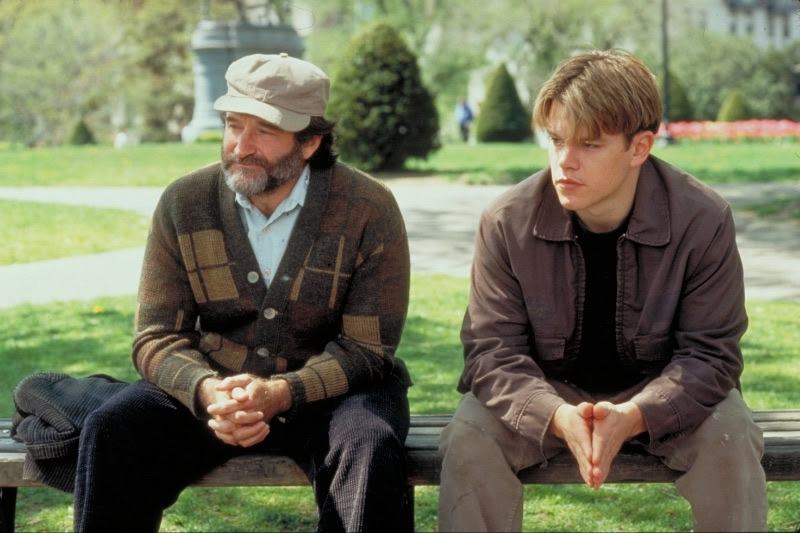
"Don't judge me on my bad ideas, judge me on my good ideas."
Recent Posts
-

Hospitality – Vision 2030
November 28, 2025 -

-

Wellness & Experiential Travel — Beyond the Room
November 28, 2025 -

Sustainability & Green Hospitality — Profit Meets Purpose
November 28, 2025 -

-

-

Any chance of some good news around the economy?
November 28, 2025